Product News
-
1609-2026
How Cryogenic Service Steel Piping Handles Thermal Contraction
In cryogenic systems, temperature reduction changes more than fluid properties. Steel piping also contracts as its temperature falls, and that movement can create significant loads at supports, joints, valves, and connected equipment. Engineers must therefore consider material behavior and piping layout together.
-
1409-2026
What Is Thermal Recovery Pipe? Applications in Heavy Oil and Steam Injection Wells
Learn what Thermal Recovery Pipe does in heavy oil wells, how it handles high-temperature steam, and how to select the right pipe with BEILAI.
-
1109-2026
From Fuel Savings to Longer Lifespan: Alloy Steel Tubes Transform Power Plant Economics
Energy-saving has been a crucial point of attention for power plants around the world. With rising expenses of fuel, emission standards becoming tighter, and demand for uninterrupted power source being on the rise, power technologies have had to evolve constantly over the years to meet these requirements.
-
0909-2026
How to Choose the Right Low Temperature Carbon Steel Pipe
Low-temperature piping needs more than adequate strength. When temperature drops, steel can lose ductility and become more vulnerable to brittle fracture. For engineers, selecting the right low temperature carbon steel pipe means matching material grade, impact-test requirements, pressure, dimensions, welding conditions, and service temperature.
-
0409-2026
Avoid Costly Mistakes: How to Select the Right Water Line Pipe for Municipal and Industrial Projects
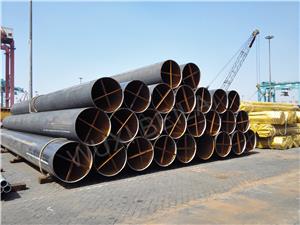
Among the major factors for successful water pipeline construction projects is the correct choice of pipe materials. An engineer does not choose a water line pipe to fulfill only a technical specification requirement but as a decision that balances hydraulic efficiency against resistance to corrosion, durability and operation costs over the whole cycle of the system.
-
0209-2026
What Makes Professional Copper Nickel Tube Manufacturers Different?
A copper nickel tube may look like a straightforward heat exchanger component, but its service life depends heavily on how the manufacturer controls the production process. Material chemistry, cold drawing, heat treatment, dimensional tolerances, and inspection all affect tube reliability.
-
3108-2026
What Causes Water Tube Boiler Tube Failure?
Learn the 7 common water tube boiler failure causes, from corrosion to overheating, and improve tube reliability with BEILAI boiler tube solutions.
-
2808-2026
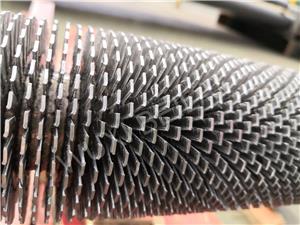
Which is better, extruded finned tubes or welded finned tubes? The answer depends on your operating temperature
Not simply a matter of matching manufacturing methods, picking the ideal finned tube is far more complex than comparing them head-to-head.
-
2608-2026
Tubing casing selection shouldn't be based solely on steel grade and price – well conditions are what really matter
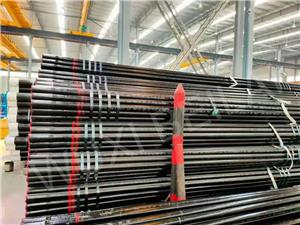
Every oil and gas well will have a distinct mix of depth, pressure, temperature and production fluids. I never, as an engineer, suggest the same one to every project for I know that environment and the operational situation dictate performance characteristics. The choice of right oil and gas tubing and casing made from beginning of a project allows for reducing maintenance, enhancing output efficiency and extending the working time of the well. BEILAI, we specialize in providing trustworthy tubing casing, matching the field conditions instead of generic type goods, as many suppliers do.
-
2408-2026
How to Pick Suitable Alloy Steel Tubes for Use Under Hot Conditions
Through the addition of elements such as chromium, molybdenum, or nickel, an alloy steel tube is produced to possess superior features like strength, heat resistance, and resistance to corrosion over regular steel tubes. These attributes have allowed for alloy steel tube to have a significant role in industrial applications such as boilers, heat exchangers, power plants, refineries, and many similar areas where failure is simply not an option.