Product News
-
0209-2026
What Makes Professional Copper Nickel Tube Manufacturers Different?
A copper nickel tube may look like a straightforward heat exchanger component, but its service life depends heavily on how the manufacturer controls the production process. Material chemistry, cold drawing, heat treatment, dimensional tolerances, and inspection all affect tube reliability.
-
3108-2026
What Causes Water Tube Boiler Tube Failure?
Learn the 7 common water tube boiler failure causes, from corrosion to overheating, and improve tube reliability with BEILAI boiler tube solutions.
-
2808-2026
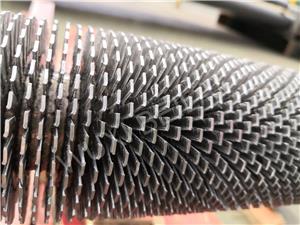
Which is better, extruded finned tubes or welded finned tubes? The answer depends on your operating temperature
Not simply a matter of matching manufacturing methods, picking the ideal finned tube is far more complex than comparing them head-to-head.
-
2608-2026
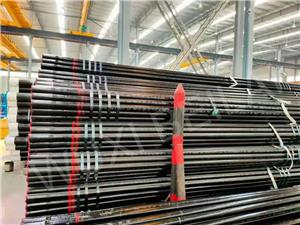
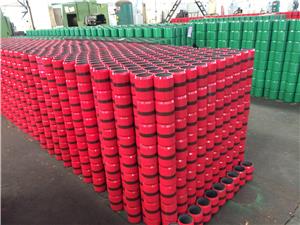
Tubing casing selection shouldn't be based solely on steel grade and price – well conditions are what really matter
Every oil and gas well will have a distinct mix of depth, pressure, temperature and production fluids. I never, as an engineer, suggest the same one to every project for I know that environment and the operational situation dictate performance characteristics. The choice of right oil and gas tubing and casing made from beginning of a project allows for reducing maintenance, enhancing output efficiency and extending the working time of the well. BEILAI, we specialize in providing trustworthy tubing casing, matching the field conditions instead of generic type goods, as many suppliers do.
-
2408-2026
How to Pick Suitable Alloy Steel Tubes for Use Under Hot Conditions
Through the addition of elements such as chromium, molybdenum, or nickel, an alloy steel tube is produced to possess superior features like strength, heat resistance, and resistance to corrosion over regular steel tubes. These attributes have allowed for alloy steel tube to have a significant role in industrial applications such as boilers, heat exchangers, power plants, refineries, and many similar areas where failure is simply not an option.
-
2108-2026
Piping Selection for Cryogenic Service: How ASTM A333 Balances Toughness, Safety, and Cost-Effectiveness
Metal pipes for low temperature service are made to operate in places where regular carbon steel might become brittle and suffer crack failure because of loss of toughness.
-
1908-2026
Beyond Brittle Fracture Resistance: How Low Temperature Pipe Ensures Long-Term Operation in LNG and Petrochemical Plants
Low temperature piping products are made for use in areas where ordinary carbon steel can lose its toughness under cold or cryogenic conditions. By holding strength and impact resistance at low temperatures, the low temperature pipes help guarantee safe and reliable performance in industries like liquefied natural gas, petrochemical processing, natural gas transit, and industrial refrigeration units.
-
1708-2026
Backward Design: Selecting Cold Drawn vs. Hot Rolled Based on Real Application Needs
Industrial equipment requires tube products that can withstand pressure, mechanical stress, and demanding operating conditions. A seamless steel tube provides reliable strength because it has no welded seam, which helps improve structural consistency and performance.
-
1408-2026
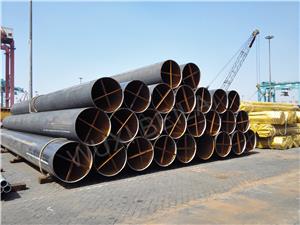
Line Pipe Selection Guide for Oil and Gas Projects
Pick the correct line pipe for Oil and Gas operations, it is among the first decisions in a project and, at the same time the decision will have impacts on long-term operating costs.A well-suited and appropriate line pipe will not only allow for smoother transportation of oil/natural gas but also reduce the need for maintenance, and ensure a safe and reliable operation of the pipeline for the entire period of its service life.
-
1208-2026
Why is Copper-Nickel Tube an Excellent Choice for Marine Projects
In marine environments and any other places where seawater or saltwater is a factor, corrosion is gradual and leads to reduced performance as well as increased servicing costs not to mention shortening the life span of machinery. It justifies why several engineers opt for copper-nickel tubes in place of ordinary materials.